


Nick takes you through some of his thoughts from his 47 years as a Numismatic Consultant
What Coins Should I Collect? A Beginner’s Guide to Coin Collecting and Investment
One of the most common questions we are asked is: “What coins should I collect?”
The answer depends entirely on what interests you most about coin collecting — whether that’s history, rarity, condition, or long-term investment potential.
At B & G Coins, we work with a more traditional collector base, where the historical significance of a coin, its scarcity, its aesthetic design features and its ‘’invest-ability’ are just as important as its appearance. Below are some golden rules of coin collecting to help new and prospective collectors build a focused and rewarding collection.
1. Choose a Clear Area of Interest
The first step in successful coin collecting is deciding what you want to collect. This could be:
- A specific time period in history
- A particular monarch or reign
- A defined coin series or historical event
For example, are you drawn to:
- Ancient coins
- Hammered coins
- Early milled coins
- Modern coins and proofs
You should also decide whether you want to collect British coins or coins from other countries. Many collectors specialise in areas such as:
- Crusader coins
- Knights of Malta coinage
- Scottish hammered coins

2. Set an Achievable Collecting Goal
Once you’ve chosen your area of interest, ensure your goal is realistic and achievable. While your focus may evolve over time, having a clear objective makes collecting far more satisfying.
British hammered coins span a vast timeframe — from the Roman period through to the mid-17th century when milled coinage replaced hammering. Rather than trying to collect everything, narrow your focus to:
- A specific reign
- A defined historical period
- A single denomination
A good example is collecting coins from The Anarchy (1138–1153), which range in price from around £500 to £5,000+, depending on rarity and condition.

3. Decide: Collecting for Enjoyment or Investment?
Another key consideration is whether you are collecting:
- Purely for enjoyment, or
- With a view to numismatic investment
Rare coins can be an excellent alternative investment, but only if you buy the right coins in the right condition. As with most collectables, quality always sells.
Average-grade, readily available coins tend to see poor long-term growth, while high-grade, scarce coins consistently outperform the wider market.
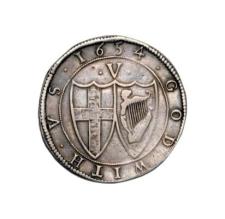
4. Always Buy the Best You Can Afford
One of the most important rules in coin collecting is simple:
Buy the best quality coin you can afford.
If you have £1,000 to spend:
- Don’t buy ten £100 coins
- Buy one £1,000 coin or two £500 coins of higher grade
High-grade coins are more desirable, more liquid, and more resilient in changing markets. If the right example isn’t available, wait — patience is part of the thrill of collecting.
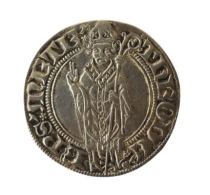
5. Seek Expert Advice or a Trusted Mentor
Finding a trusted mentor can make a huge difference. This may be an experienced collector or a reputable dealer offering honest and impartial advice.
In addition to consultancy work with auction houses, solicitors, and insurance companies, B & G Coins regularly advises collectors and investors and is always happy to help.


6. A Word of Caution on Modern Proof Coins
Modern proof coins should generally be viewed as a hobby rather than an investment.
Very few modern proofs are genuinely rare, and many lose value shortly after issue. Buying modern proofs at issue is similar to buying a new car — values often drop by 20% or more once the coin enters the secondary market.
If you wish to buy modern proofs, wait six months or longer and purchase on the secondary market for a significantly lower price.
Be cautious of unofficial “mints” producing novelty issues. Many are effectively coin-farming operations. Stick to official Royal Mint issues and avoid unofficial producers.
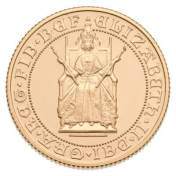
7. What Coins Have Performed Well as Investments?
Some of the strongest performing coins in recent years have been:
- Early milled coins
- Hammered coins
- Examples in exceptionally high grade
A standout example is the Edward VI fine silver shilling. Five years ago, we acquired several examples hidden in the eaves of a Tudor building shortly after striking. These coins were in Extremely Fine condition and sold for around £250 each at the time.
In today’s market, those same coins would achieve close to £1,000 each, highlighting the importance of rarity, condition, and historical interest.
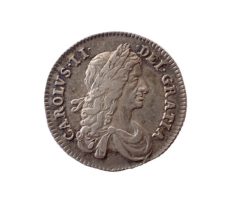
Final Thoughts
Whether you are collecting for passion, history, or investment, the key principles remain the same:
- Focus your collecting
- Buy quality over quantity
- Take expert advice
- Be patient
- Enjoy your hunt to add to your collection
Done correctly, coin collecting is not only deeply rewarding but can also be a sound long-term investment.
If you would like advice on building a collection or investing in rare coins, B & G Coins is always happy to help.
