


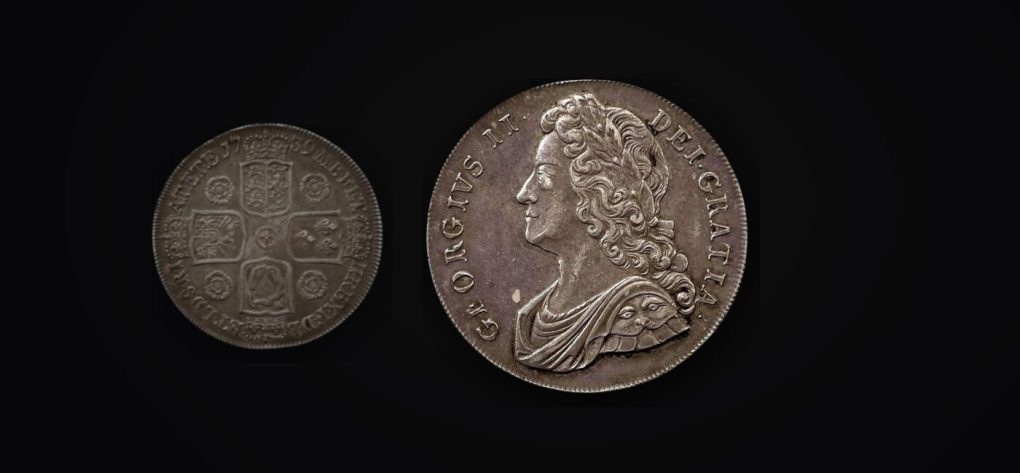
How much is my coin or medal worth?
The value of any coin, medal, token or banknote rests on four main criteria.
- Rarity — how many were minted, and how many are known to remain.
- Condition — in most cases, barring exceptionally rare items, the condition needs to be excellent to attract the higher prices. The difference between an average coin and an excellent one of the same type can mean a variation of hundreds, if not thousands, of pounds.
- Demand — collector interest. Age alone rarely dictates worth; many 2,000-year-old ancient coins remain inexpensive because large numbers survive.
- Metal — gold, platinum and silver have a metal value even when the coin is in poor condition.
To identify your coin or historic medal, use CoinFinder for instant information. For a valuation, send your photographs to [email protected]. If you need a formal written figure rather than an indication, our coin and medal services cover probate, insurance and consultancy valuations.
How can I tell if a coin is real or counterfeit?
Telling authentic pieces from fakes means analysing exact weight, diameter, thickness, magnetic response and microscopic die details, or using professional third-party authentication.
Should I clean my coins?
The universal rule in numismatics is never clean a coin. Cleaning or polishing removes the original surface finish, causes micro-scratches, and can strip 50% to 90% or more of a coin’s market value.
How should I safely handle and store coins?
Hold coins strictly by their edges. Safe storage materials include archival, non-PVC plastic flips, Mylar holders and hard plastic slabs. Flexible plastics containing PVC leach acids that ruin coin surfaces over time.
What is coin grading and how does the scale work?
In the UK, coins have traditionally been graded from Poor to Uncirculated, with sub-grades in between.
Increasingly used today is the American Sheldon scale, which runs from 1 to 70 — from Poor-1 to a flawless Perfect Uncirculated, Mint State-70.
Should I get my coin professionally graded?
Professional grading services, such as PCGS or NGC, authenticate coins and encase them in tamper-evident holders.
This is less popular with academic and traditional buyers, because the edge of the coin is concealed and it cannot be accurately weighed and tested for authenticity. You are effectively relying on the grading service being correct, and with more than 800 graders employed in the process, it is a subjective service. UK dealers generally downgrade these coins by between half and a full grade.
Collectors also often ask whether a coin’s expected increase in value justifies the submission fees, which typically run from £30 to £70 or more per coin.
Where is the best place to buy or sell coins?
Options include local coin shops, specialist auctions, coin fairs and established online dealers. Do a little research and check a dealer’s reputation first.
B and G Coins is one of the oldest established numismatic businesses, founded in 1977, with excellent feedback on Trustpilot, Google and Square. We consult for major coin auctioneers such as Tennants, and for museums, as well as working for the insurance and legal sectors. Our principal numismatist, Dr Nick George, has been a regular guest presenter on BBC radio over the years.
How do I handle an inherited collection?
Heirs often ask how to inventory, value and sell a collection without being underpaid or accidentally damaging valuable items.
Through our Numismatic Consultants business, B and G Coins offers both insurance valuations and probate services for solicitors and executors.