


What Is Numismatics?
Numismatics is the study and collection of coins, tokens, banknotes, medals and related forms of money. It covers the history, design, rarity, condition and value of currency, from ancient coins through to modern collectables.
What does numismatics include?
Numismatics covers more than coins. Collectors may study and collect hammered coins, ancient coins, tokens, medals, banknotes, proof sets and other historic money-related objects. For many people, the appeal is a mixture of history, rarity, condition and the story behind each piece.
If you are new to the subject, useful starting points include our ancient coins, British hammered coins and exonumia guide.
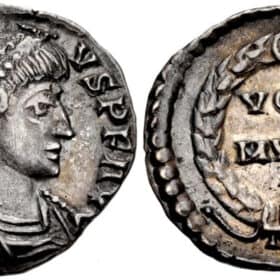
A coin collector can be called a numismatic or numismatist. The word numismatic means the study or collection of currency. This covers tokens, paper money, coins and medals. It also means a person who studies or collects currencies.
Besides the study of coins, numismatics also includes tokens and paper money, plus their histories. It is then, strictly speaking, a broader field than pure coin collecting. In common usage, though, the two terms, ‘coin collecting’ and ‘numismatic’ are interchangeable.
In English, the word numismatic originated in the late eighteenth century from the french numismatiques , meaning coin.
Described as the hobby of kings, coin collecting has long been a popular pastime. One of the first known coin collectors was the Roman Emperor Augustus, who reigned for forty years from 27 BC – AD 14.
The Italian antiquarian Bartolomeo Borghesi, 1781–1860, was the first leading figure in the establishment of numismatics as a scholarly science. In Rome he catalogued many famous coin collections, including that of Vatican for Pope Pius VII.
There are many famous people who enjoy coin collecting, including Paul McCartney, Nicole Kidman, Jack Black, and President Donald Trump. The 2008 film ‘Fool’s Gold’ – a story about treasure hunting – led actors Matthew McConaughey and Kate Hudson to develop their own interest in collectible coins.
Numismatics is a fascinating hobby. These are just some of the reasons it is so popular:
- Coins are, in themselves, often very attractive items
- Coin designs capture moments of history, time, and world events
- Coins are potent symbols of nationality and geography
- There are thrills and competition to finding rare examples
- Plus, it can be fun to display coin albums and share them with others
- Collecting coins, particularly precious metal gold and silver coins, can be financially rewarding
Coin collecting as an investment
Physical precious metals, particularly gold, are used as safe haven investments. In time of crisis, gold has tended to hold its value when other investments fall in price. Precious metals also add diversity to financial portfolios and act as a hedge against other investments.
In the form of coins, precious metals have tax advantages not enjoyed by simple bars of metal. Gold, silver other precious metal coins are not subject to Capital Gains Tax and gold coins are exempt from VAT. Therefore, rare and collectible precious coins enjoy value both as collectible items and as pure metal, and this is known as a semi-numismatic coin. The age and origin of the coin can have an impact on it’s tax implications, so do check with an expert first.
Original article source: https://www.bullionbypost.co.uk/index/collectible-coins/coin-collector-name/
Original image source: https://www.antiquestradegazette.com/news/2018/coin-collector-buys-classical-numismatic-group-and-takes-over-management/
Have coins to identify or value?
If you have coins, tokens, medals or banknotes and would like initial guidance, B and G Coins can help. Start with our free online coin valuation service.
Numismatics FAQs
What is the difference between numismatics and coin collecting?
Coin collecting is usually focused on coins themselves. Numismatics is broader and can include the study of coins, tokens, medals, paper money, monetary history and related collectables.
What is a numismatist?
A numismatist is someone who studies or collects coins, tokens, medals, banknotes or related items. Some are collectors, while others are dealers, researchers, valuers or specialists.
Can B and G Coins help identify numismatic items?
Yes. If you have coins, tokens, medals or banknotes to identify or value, send clear photos through our free online coin valuation service and we will advise where possible.
